“Handmade”: on paper, anyone can write it. In reality, a piece shaped by an artisan’s hand carries signs that nothing can imitate. Here is how to recognise them — wherever you shop, not only with us.
1. Small irregularities
No two handmade pieces are ever perfectly identical. The slightest variation in a curve, a stitch, a shade of enamel: these are not flaws, they are proof. A machine repeats; a hand interprets.
Look closely at a seam, a setting, an enamel: you will find micro-variations, a stitch drawn a little tighter, a colour that shifts slightly. On an industrial object, everything is cloned identically, with a cold perfection. On an artisan’s piece, these tiny departures tell of the hand that held it.
2. Materials that are named, not implied
An honest atelier tells you what it works with: the nature of the metal, the origin of the leather, the type of wax or clay. When the provenance stays vague, it is rarely by chance.
“Gold-tone metal”, “natural stone” or “genuine leather” with no further detail say a great deal by what they leave out. An artisan who stands by their work names things: gilding, vermeil or gold-filled for jewellery — we have in fact devoted a whole guide to these three gold finishes.
3. A craft with a name and a face
Behind a true creation, there is someone — an atelier you can name, a know-how you can describe. If no one stands behind the piece, it was not made by hands.
4. Time you can see
Handmade takes time, and a good artisan does not hide it. A mass-produced piece does not have the same value as one assembled individually, one at a time.
A stated making time is not a failing in service: it is the sign that the piece is genuinely made by hand, one at a time or in very small numbers. Immediate, unlimited availability is the mark of mass production.
5. Weight and hidden finishes
A handmade piece is also judged by hand, quite literally. The weight of a piece of jewellery in dense metal, the solidity of a candle poured in solid wax, the neatness of a lining or a hem: hidden finishes betray the level of care. Turn the object over and look at the reverse — that is often where the truth is written.
6. Warning signs
A few signals should raise concern: prices in line with mass retail for a claimed “handmade” piece, endless stock, perfectly duplicated photographs, or no information whatsoever about the atelier. True handmade has a cost, a story and limits — and it is not afraid to show them.
What the Maison looks for
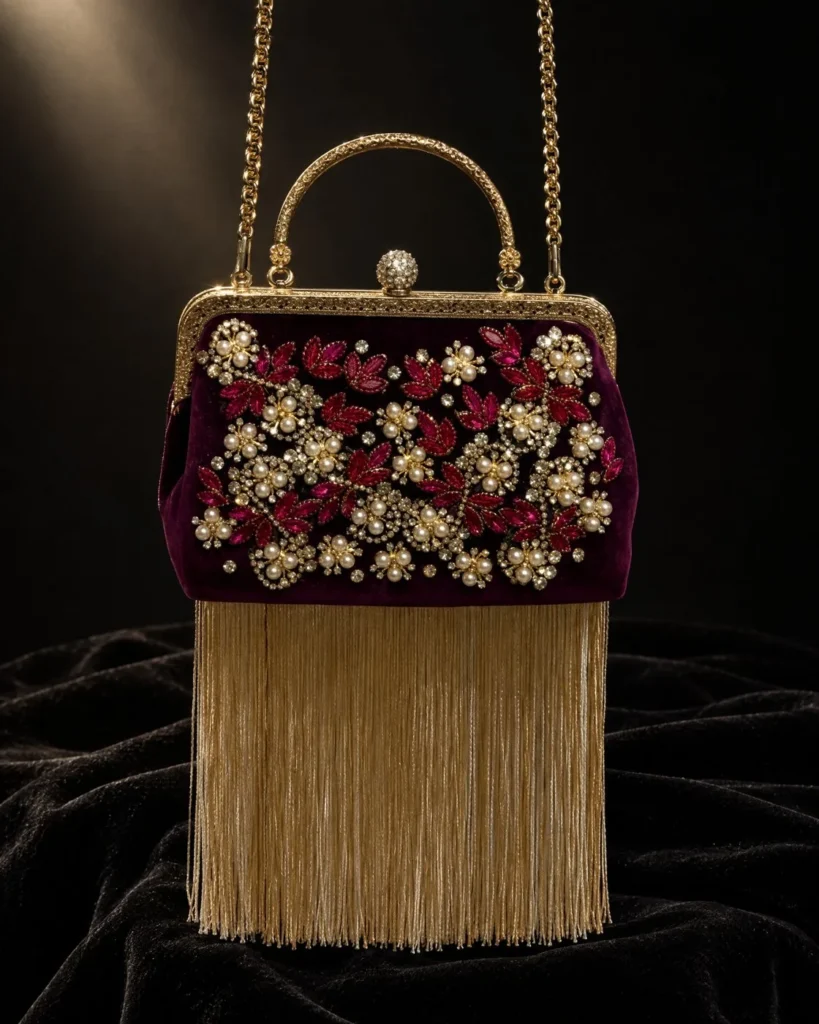
These are the signs we look for before we offer a piece: clean embroidery, a well-set bead, a fabric with real body. Some pieces are assembled and finished in our atelier; others come from artisans we work with directly. Most are one of a kind. Browse our handmade jewellery, our handmade candles and the whole shop.
By type of piece
- Jewellery : beads strung one by one, named fastenings (stainless steel, gold-tone metal); see our ceremony jewellery sets and the guide Kabyle jewellery: traditional or modern.
- Crochet : raised stitches, small irregularities, sewn finishes; more in how to spot a handmade crochet bag.
- Beaded and embroidered bags : beads woven row after row, embroidery sewn by hand; see our evening bags and clutches.
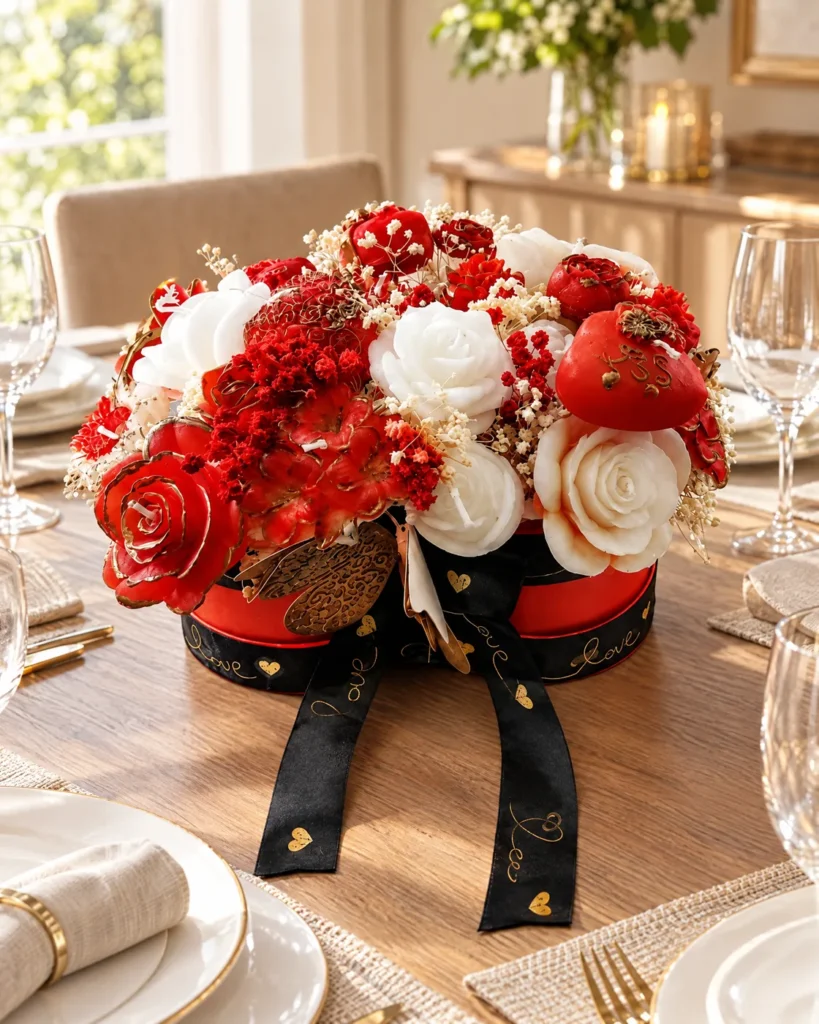
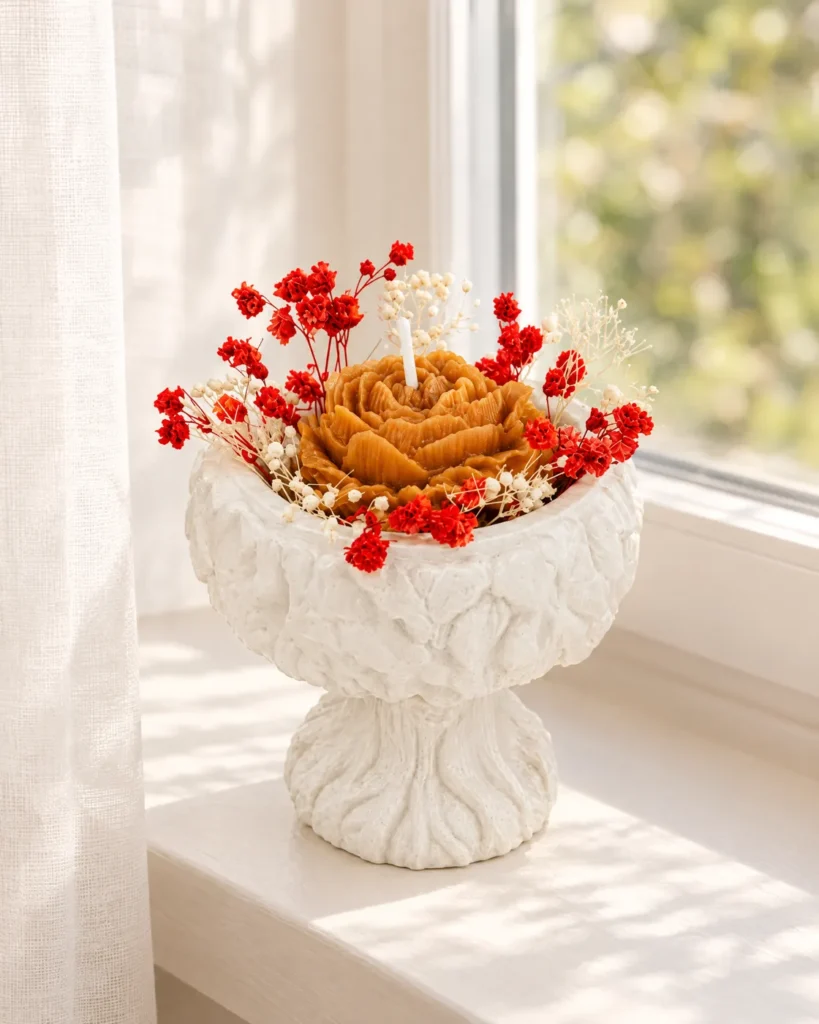
- Sculpted candles : petals shaped one by one, never two identical pieces; see our candles.
Frequently asked questions
Can a handmade piece be perfectly regular?
Rarely: small variations are the mark of the hand. Perfect regularity across dozens of pieces points instead to mass production.
Does handmade mean French-made?
No: they are two separate pieces of information. A reputable seller states both.
From the shop